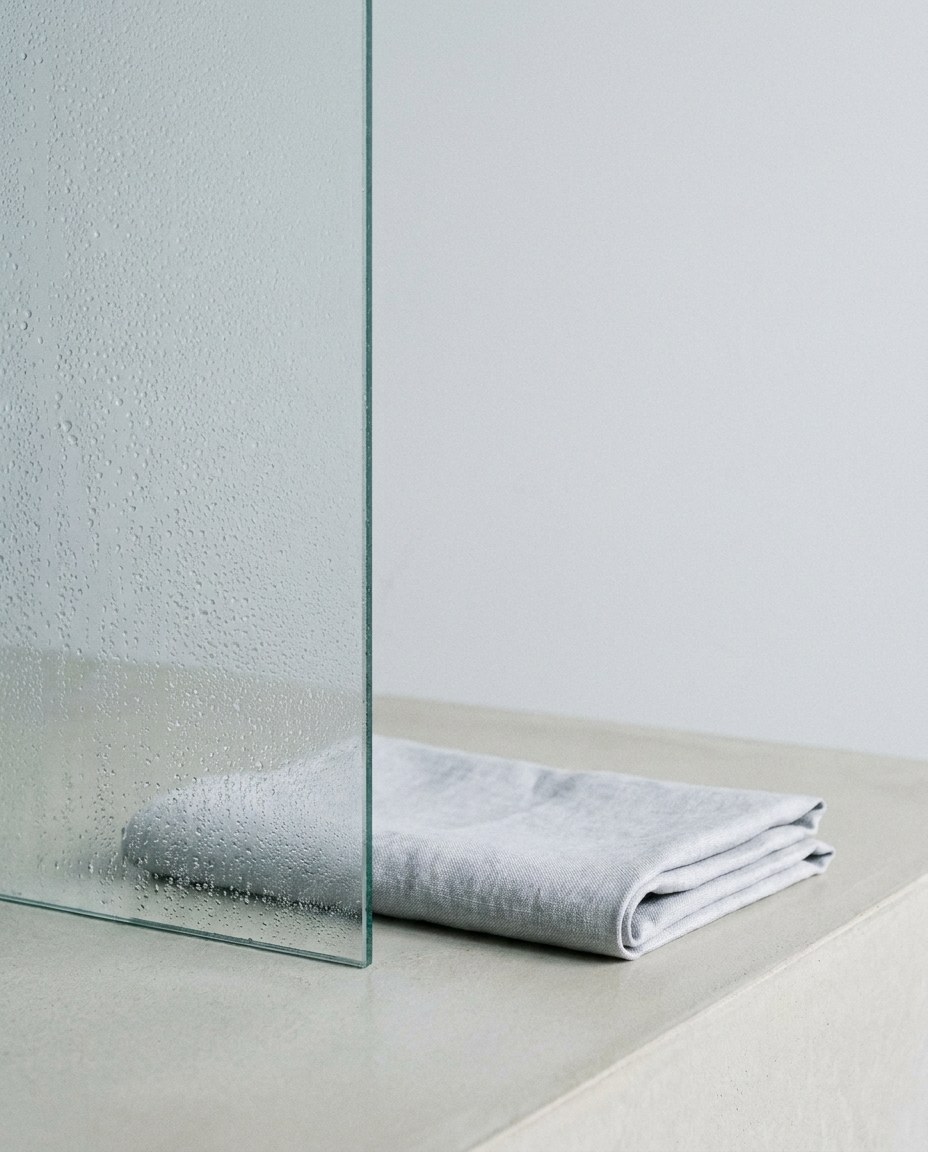
The air of a rainy summer is full of water. Every time a door opens, the damp pushes in — and yet inside that same closed room, an air conditioner runs its draft along one cheek and one arm for hours. Two different climates settle into a single day.
The environment skin actually meets is not explained by the one humidity figure printed in a forecast. The temperature and humidity just above the skin, together with the movement of the air, make up a small climate of their own. Studies of how transepidermal water loss is measured treat airflow, alongside temperature and humidity, as something that shifts the reading. A systematic review of low humidity and skin gathered evidence that the water content, suppleness, and roughness of the outermost layer can change, though the water-loss results did not agree from study to study. How long cold, dry air lingers on which part of the body explains the day's feeling more closely than any single number.
In one small experiment that compared airflow directly, the participants under an air conditioner's draft felt colder, windier, drier, and less comfortable. It was a result drawn from only eight healthy young men, though, so it cannot be carried over to every skin as it stands.
There are days when the world outside is soaked and only one cheek feels tight. In those moments, the direction between a desk and a vent explains the sensation better than the whole season does. Skin remembers the air that actually touched it more than it remembers the name we give the weather.
References
- Goad N, Gawkrodger DJ. Ambient humidity and the skin: the impact of air humidity in healthy and diseased states. J Eur Acad Dermatol Venereol. 2017.
- Alexander H, et al. Research techniques made simple: transepidermal water loss measurement as a research tool. J Invest Dermatol. 2018.
- Lan L, et al. Influence of local air velocity from air conditioner evaluated by salivary and skin biomarkers. Build Environ. 2010.



The air of a rainy summer is full of water. Every time a door opens, the damp pushes in — and yet inside that same closed room, an air conditioner runs its draft along one cheek and one arm for hours. Two different climates settle into a single day.
The environment skin actually meets is not explained by the one humidity figure printed in a forecast. The temperature and humidity just above the skin, together with the movement of the air, make up a small climate of their own. Studies of how transepidermal water loss is measured treat airflow, alongside temperature and humidity, as something that shifts the reading. A systematic review of low humidity and skin gathered evidence that the water content, suppleness, and roughness of the outermost layer can change, though the water-loss results did not agree from study to study. How long cold, dry air lingers on which part of the body explains the day's feeling more closely than any single number.
In one small experiment that compared airflow directly, the participants under an air conditioner's draft felt colder, windier, drier, and less comfortable. It was a result drawn from only eight healthy young men, though, so it cannot be carried over to every skin as it stands.
There are days when the world outside is soaked and only one cheek feels tight. In those moments, the direction between a desk and a vent explains the sensation better than the whole season does. Skin remembers the air that actually touched it more than it remembers the name we give the weather.
References