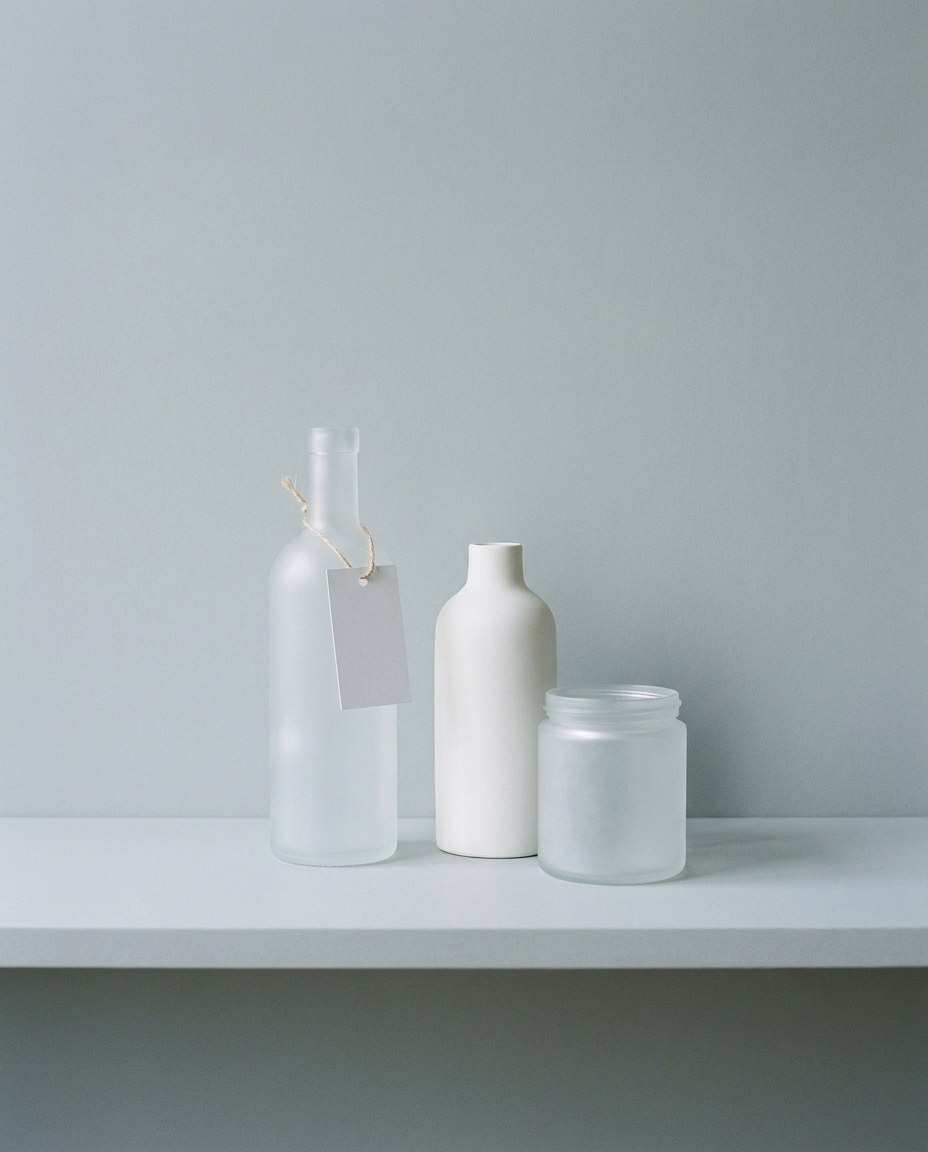
Nothing on the shelf changes all at once. A finger touches the surface, a cap is left open, humid air and a patch of sunlight arrive — and in a hundred small moments a product drifts away from the state it was in the day you first opened it.
How long a cosmetic stays usable is not decided by the calendar alone. Dipping a finger into a jar can carry in microbes; over time a preservative system can weaken; a formula that blends water and oil can separate; and air, light, and shifting temperature can change color, texture, and smell. So the very same product ages differently depending on how it has been used and where it has been kept.
The simplest safeguard is to note the date you opened it. If the packaging carries the small open-jar symbol that marks a period-after-opening, that is the window to keep in mind. Wash your hands before using it, and keep clean both any tool you dip in and the mouth of the container itself. Don't add water to revive something that has dried out, and don't share a personal product with someone else. Close it promptly after use, and keep it away from the steam of a bathroom, the sun of a windowsill, and the heat of a parked car.
Being inside the marked period does not mean changes can be ignored. An unfamiliar smell, a shift in color or texture, a separation that won't remix, a swollen or leaking container — any of these is a reason to stop. And a product that still looks fine is not an invitation to run far past its stated life either.
Making things last is not the same as grimly using them to the bitter end. It is buying what you need, knowing when you opened it, and giving a product the conditions to stay stable. The best way to throw less away is to keep less waiting in the first place.
References
- U.S. Food and Drug Administration. Shelf Life and Expiration Dating of Cosmetics.
- U.S. Food and Drug Administration. Microbiological Safety and Cosmetics.
- European Parliament and Council. Regulation (EC) No 1223/2009, Article 19(1)(c) and Annex VII.


Nothing on the shelf changes all at once. A finger touches the surface, a cap is left open, humid air and a patch of sunlight arrive — and in a hundred small moments a product drifts away from the state it was in the day you first opened it.
How long a cosmetic stays usable is not decided by the calendar alone. Dipping a finger into a jar can carry in microbes; over time a preservative system can weaken; a formula that blends water and oil can separate; and air, light, and shifting temperature can change color, texture, and smell. So the very same product ages differently depending on how it has been used and where it has been kept.
The simplest safeguard is to note the date you opened it. If the packaging carries the small open-jar symbol that marks a period-after-opening, that is the window to keep in mind. Wash your hands before using it, and keep clean both any tool you dip in and the mouth of the container itself. Don't add water to revive something that has dried out, and don't share a personal product with someone else. Close it promptly after use, and keep it away from the steam of a bathroom, the sun of a windowsill, and the heat of a parked car.
Being inside the marked period does not mean changes can be ignored. An unfamiliar smell, a shift in color or texture, a separation that won't remix, a swollen or leaking container — any of these is a reason to stop. And a product that still looks fine is not an invitation to run far past its stated life either.
Making things last is not the same as grimly using them to the bitter end. It is buying what you need, knowing when you opened it, and giving a product the conditions to stay stable. The best way to throw less away is to keep less waiting in the first place.
References